


Maison of Intellectual Transmission
Humanities, sciences and arts. A singular requirement: reclaim the life of the mind. Exacting knowledge from selected scholars and researchers.
I. — OF THE ACADEMIES
Each Academy is founded by a Praeceptor: professor, researcher, author or practitioner of the first rank, chosen for the distinction of their work and the depth of their transmission.
Academies
ACADÉMIE DE CHRISTIAN-LAMBERT NGUENA
Agrégé des Universités en sciences économiques — Économiste du développement, spécialiste de l'économie monétaire et financière africaine

ACADÉMIE D'ALEXANDRE MOATTI
Corps des Mines, Chercheur associé HDR à l'Université Denis-Diderot (Paris VII)
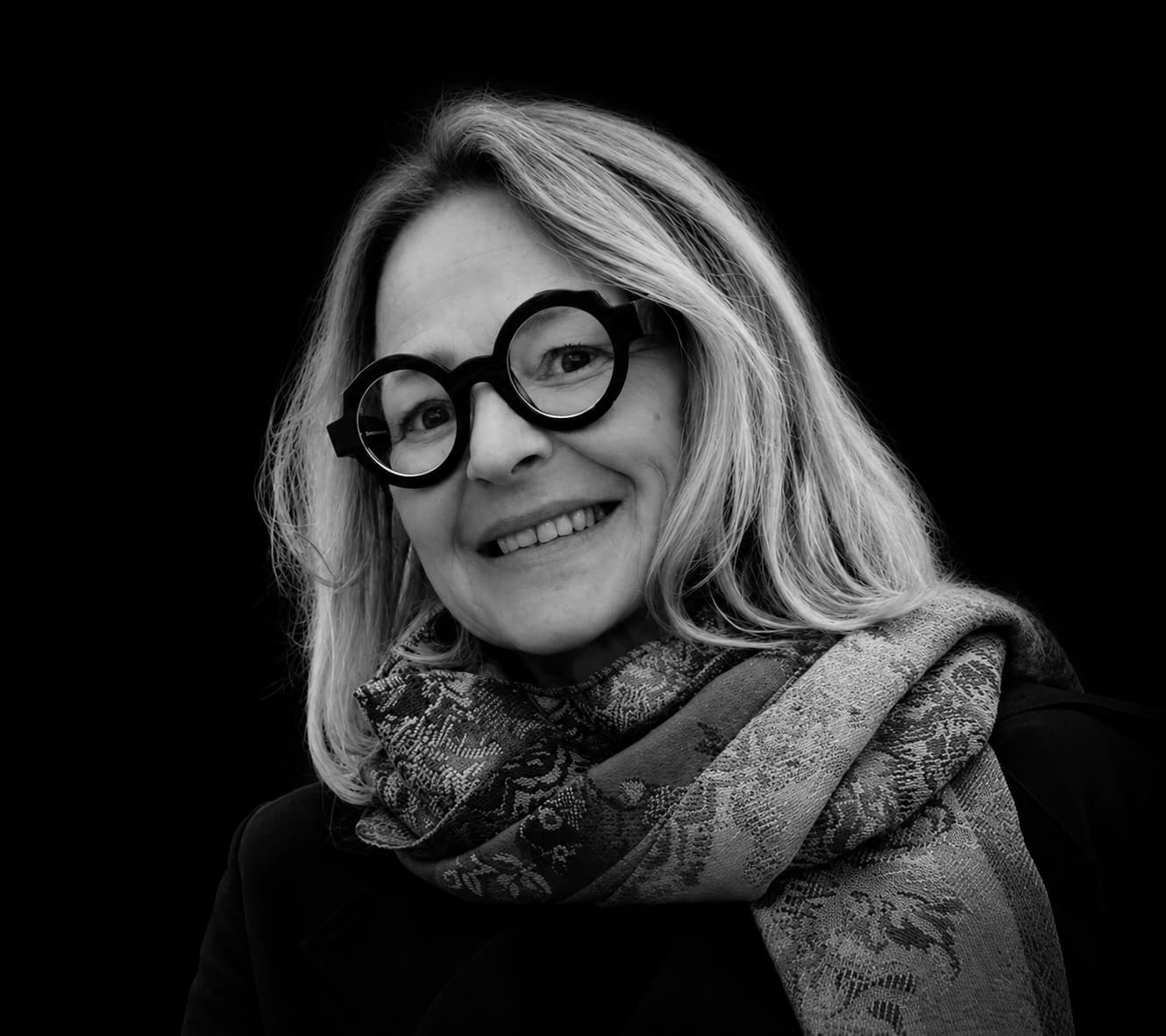
ACADÉMIE DE NATHALIE BERTRAND
Maîtresse de conférences en histoire de l'art

ACADÉMIE DE LUC ARRONDEL
Directeur de recherche au CNRS · Paris School of Economics

ACADÉMIE D'OLIVIER DHILLY
Professeur Agrégé de philosophie
HOWARD BRIAN CLARKE ACADEMY
Emeritus Professor of Medieval Socio-Economic History, Member of the Royal Irish Academy
ACADÉMIE D'ÉVELYNE BUISSIÈRE
Professeure agrégée de philosophie · Docteure et habilitée à diriger des recherches · Spécialiste de Hegel et de la philosophie italienne

ACADÉMIE DE MICHEL TERESTCHENKO
Maître de conférences émérite · Philosophie
II. — OF THE EXPERIENCE
The Lectio
The lesson.
The Codex
The written work.
The Agenda
The address.
III. — OF THE MAISON
Learned voices do exist. What they often lack is a place properly their own: an editorial house that compels them neither to dilute their thought in order to remain visible, nor to submit to the immediacy metrics that govern mass platforms, nor to the fragmentation imposed by ordinary institutional frameworks.
OTIUM embodies such a place. There, each Praeceptor founds an Academy: a personal locus of transmission and presence, where works, lectures, and interventions may unfold over time, in full respect of academic freedom.
Excellence reclaims its visibility — without concession.
IV. — OF OTIUM
Leaving school does not mean the end of study.
For the Ancients, otium was a quest for inner greatness — an elevation through study, contemplation, and transmission. Far from the tumult of the city, it opened an interval of silence: a sanctuary in which to form the mind, a span of time withdrawn from urgency, an ascent.
OTIUM stands within that tradition. Not to confer a degree, nor to accompany a career change, but to preserve study outside the school and far from algorithmic noise.
The Disciple frequents chosen voices across the humanities, the sciences, and the arts. To encounter the classical languages through a Codex in philosophy, to deepen one's understanding through a Lectio in mathematics or chemistry, to follow the Agenda of a Praeceptor.
V. — OF THE HERITAGE
In ancient Rome, otium denoted the time devoted to study and contemplation — as opposed to negotium, the time of business. OTIUM perpetuates this millennial tradition.
VI. — OF THE FORMS
VII. — OF PRINCIPLES
A few principles for understanding access, selection, and the protection of works on OTIUM.
Cum dignitate otium.